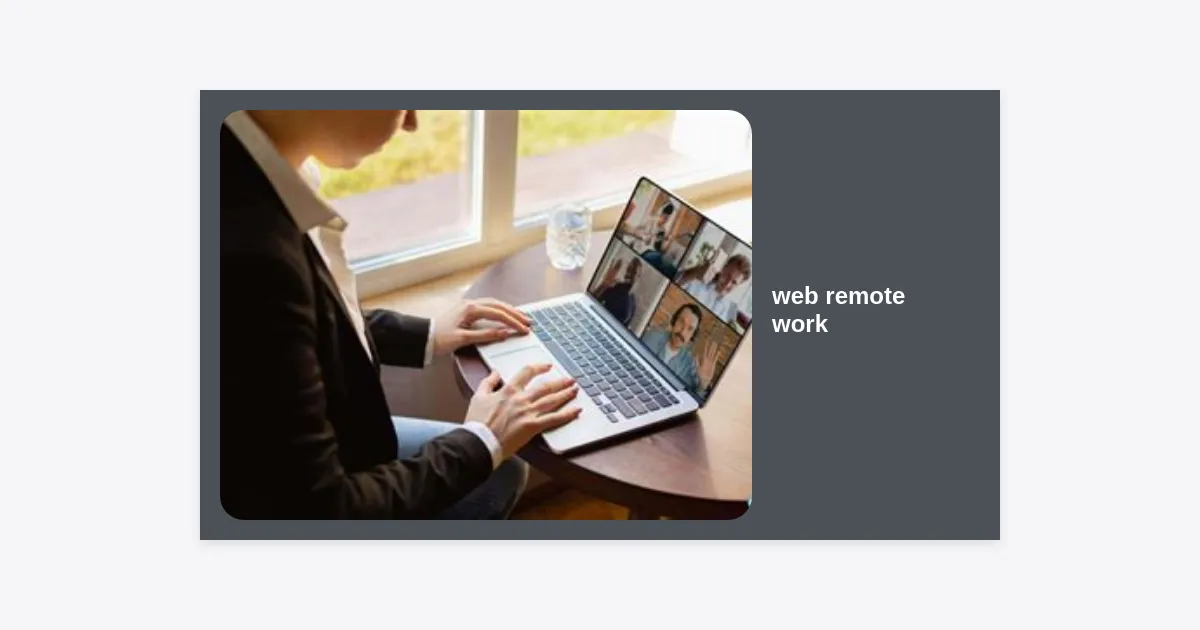
Do you remember the last time you sat in traffic for an hour, clutching a lukewarm coffee and dreading a long day in a fluorescent-lit office? For millions of professionals across the globe, that reality is fading into the past. The rise of web remote work has fundamentally transformed the modern professional landscape, offering a level of flexibility and autonomy that was once reserved for freelancers and tech pioneers. Today, being a part of the global digital workforce is no longer a luxury—it is a viable, high-growth career path for anyone with a reliable internet connection and the right mindset.
Whether you are a seasoned professional looking to transition out of the traditional office or a recent graduate eager to start your career in a digital-first environment, understanding the nuances of web remote work is essential. In this comprehensive guide, we will explore the essential tools, strategies, and psychological shifts required to not just survive, but thrive, in the world of online employment.
Table of Contents
- What is Web Remote Work?
- The Unrivaled Benefits of Going Remote
- Essential Skills for Digital Success
- The Web Remote Work Tech Stack
- How to Find High-Quality Remote Roles
- Productivity Hacks for the Home Office
- Overcoming Common Challenges
- Cybersecurity in a Remote Environment
- Key Takeaways for the Future
What is Web Remote Work?
At its core, web remote work refers to any professional activity that is conducted primarily through the internet, allowing the employee or contractor to perform their duties from a location of their choosing. This could be a home office, a co-working space, or a beach bungalow halfway across the world. Unlike traditional office work, which relies on physical presence and face-to-face interaction, web-based remote work leverages cloud computing, video conferencing, and asynchronous communication tools to maintain operations.
The evolution of this sector has been rapid. According to recent labor statistics, the number of people engaging in web remote work has increased by over 150% in the last decade alone. This shift is driven by advancements in fiber-optic internet, the ubiquity of high-performance laptops, and a growing recognition among employers that productivity is measured by output, not hours spent in a cubicle.
The Unrivaled Benefits of Going Remote
The shift toward a remote-first economy isn’t just about avoiding a commute; it’s about a fundamental restructuring of life and work. For the employee, the advantages are numerous and deeply personal. Flexibility is the most cited benefit, allowing individuals to tailor their schedules to their natural rhythms and family obligations.
Improved Work-Life Harmony
Traditional 9-to-5 roles often force a strict separation between “life” and “work,” often at the expense of the former. Web remote work allows for a more integrated approach. Need to pick up your child from school or attend a mid-day yoga class? In a remote setting, as long as the work is completed and communication remains high, these life events become manageable rather than stressful obstacles.
Financial and Environmental Impact
The economic impact of web remote work is significant. Individuals save thousands of dollars annually on fuel, public transit, professional attire, and expensive city lunches. From an organizational perspective, companies can slash overhead costs by reducing their real estate footprint. Furthermore, the environmental benefits of fewer cars on the road contribute to a lower carbon footprint, aligning professional goals with global sustainability efforts.
Essential Skills for Digital Success
Transitioning to web remote work requires more than just technical savvy; it requires a specific set of soft skills that ensure you remain a valuable asset to your team while working in isolation.
- Asynchronous Communication: Learning to communicate clearly through text is vital. This involves providing context, being concise, and understanding the nuances of digital tone.
- Self-Discipline and Autonomy: Without a manager looking over your shoulder, you must become your own project manager. Setting boundaries and maintaining focus is paramount.
- Technical Proficiency: You don’t need to be a programmer, but you must be comfortable troubleshooting basic software issues and adapting to new digital tools quickly.
- Emotional Intelligence: Building trust remotely requires empathy and the ability to interpret non-verbal cues during video calls.
“The greatest challenge in remote work is not the technology; it is the human connection. Success is found where clarity meets empathy.” — Digital Workplace Consultant
The Web Remote Work Tech Stack
To succeed in the digital realm, you need a robust set of tools. These applications serve as your virtual office, conference room, and filing cabinet. Below is a comparison of some the most effective tools used in web remote work today.
| Category | Top Tool | Primary Benefit |
|---|---|---|
| Communication | Slack / Microsoft Teams | Real-time messaging and file sharing. |
| Project Management | Asana / Trello / Notion | Visualizing tasks and tracking project progress. |
| Video Conferencing | Zoom / Google Meet | Face-to-face interaction and screen sharing. |
| Cloud Storage | Google Drive / Dropbox | Secure, accessible document management. |
| Time Tracking | Toggl / Harvest | Monitoring productivity and billing accuracy. |
How to Find High-Quality Remote Roles
Finding a legitimate web remote work position requires a different strategy than applying for local jobs. The competition is global, which means your digital presence must be impeccable.
Optimizing Your Digital Portfolio
Your LinkedIn profile and personal website are your new resumes. Ensure they highlight your remote-specific skills, such as experience with collaborative software and a history of independent project completion. Include testimonials from previous employers that speak to your reliability and communication skills.
Top Job Boards for Remote Careers
- We Work Remotely: The largest community on the web for remote-specific jobs.
- FlexJobs: A curated site that vets every listing for legitimacy (subscription-based).
- Working Nomads: Great for digital nomads looking for contract or full-time work.
- LinkedIn: Use the “Remote” filter in the job search section to find thousands of listings daily.
Productivity Hacks for the Home Office
One of the biggest hurdles in web remote work is the blurring of lines between personal space and professional space. Without a physical separation, it is easy for work to bleed into your evenings, leading to burnout.
Designate a Dedicated Workspace: Even if you don’t have a spare room, create a specific area that is only for work. When you leave that chair, your workday is over. This mental trigger is essential for long-term psychological health.
Use the Pomodoro Technique: To maintain high levels of focus, work in 25-minute sprints followed by a 5-minute break. This prevents digital fatigue and keeps your mind sharp. Additionally, schedule “deep work” blocks in your calendar where notifications are silenced, allowing for intense concentration on complex tasks.
Looking for a complete setup guide? Click the button below to download our exclusive Remote Home Office Checklist.
Download Remote Work Checklist
Overcoming Common Challenges
While the benefits are plentiful, web remote work comes with its own set of unique challenges. Isolation is perhaps the most significant. Without the “water cooler” moments of an office, some workers feel disconnected from their company culture.
Combatting Isolation
Be proactive about social interaction. Schedule virtual coffee chats with colleagues that are not about project updates. If possible, join a local co-working space one or two days a week to be around other people. Maintaining a social life outside of work is also crucial for emotional well-being.
Managing Time-Zone Differences
Working on a global team often means dealing with varying time zones. To manage this effectively, use tools like World Time Buddy and establish “core hours” where everyone on the team is online at the same time. Respect the “offline” hours of your colleagues to encourage a healthy company culture.
Cybersecurity in a Remote Environment
Security is a major concern for companies employing web remote work staff. As a remote worker, you are the first line of defense against data breaches. Always use a Virtual Private Network (VPN) when accessing corporate systems, especially if you are using public Wi-Fi. Multi-factor authentication (MFA) should be enabled on all professional accounts.
Additionally, keep your software updated. Operating system updates often include critical security patches. By maintaining a secure digital environment, you build trust with your employer and protect the sensitive data of your clients and colleagues.
Key Takeaways for the Future
The world of web remote work is not a passing fad; it is the cornerstone of the modern global economy. By mastering the tools of the trade, developing strong self-management skills, and prioritizing communication, you can build a fulfilling and lucrative career from anywhere on the planet.
Key Takeaways:
- Adaptability is Key: The digital tools we use today may be replaced tomorrow; stay curious and keep learning.
- Communication is Your Lifeline: Over-communicate to ensure alignment with your team.
- Set Boundaries: Protect your mental health by strictly separating your work and personal life.
- Trust is the Currency: Deliver high-quality work consistently to prove that remote work is effective for your role.
Embrace the freedom that web remote work offers, but remain disciplined in your execution. The future of work is digital, and with the right approach, you can be at the forefront of this exciting revolution.