Table of Contents
- Understanding the Workout Halal Lifestyle
- The Body as an Amanah: The Theology of Fitness
- Halal Nutrition: Fueling Your Body the Sunnah Way
- Navigating Supplements: Avoiding Haram Ingredients
- Gym Etiquette and Modesty (Awrah)
- Structuring Training Around Salah and Ramadan
- The Ultimate Halal Training Routine
- Mental Strength and Spiritual Intention (Niyyah)
- Conclusion and Key Takeaways
Understanding the Workout Halal Lifestyle
Finding a balance between physical excellence and spiritual adherence can often feel like a tightrope walk. For the modern Muslim athlete, a workout halal approach is not just about avoiding certain foods; it is a holistic philosophy that integrates physical training with Islamic values. Whether you are a seasoned bodybuilder or a beginner looking to lose weight, understanding how to align your fitness goals with your faith is essential for long-term success.
The term workout halal encompasses everything from the purity of the supplements you consume to the modesty of your attire and the environment where you train. In a world where the fitness industry often prioritizes aesthetics over ethics, adopting a faith-centered approach provides a grounding force. It ensures that your pursuit of a stronger body also leads to a stronger soul.
In this comprehensive guide, we will explore the nuances of maintaining a halal fitness regimen. We will delve into nutrition, supplementation, gym choice, and time management, providing actionable steps to help you excel in the dunya while preparing for the akhirah.
The Body as an Amanah: The Theology of Fitness
In Islam, the human body is considered an Amanah (a trust) from Allah. We do not own our bodies; rather, we are caretakers of them. This perspective shifts the motivation for exercise from vanity to gratitude and responsibility. A workout halal mindset starts with recognizing that keeping the body healthy is a form of worship (Ibadah).
Strong believers are often more beloved to Allah than weak believers, as noted in various Hadiths, because physical strength enables one to perform religious duties—such as Hajj, Salah, and community service—with greater vigor. When you step into the gym with the intention (Niyyah) to preserve the gift of health Allah has given you, every rep and every drop of sweat can be recorded as a good deed.
“A strong believer is better and is more lovable to Allah than a weak believer, and there is good in everyone.” – Sahih Muslim
Halal Nutrition: Fueling Your Body the Sunnah Way
Nutrition is the cornerstone of any fitness journey. In a workout halal context, this means ensuring that every calorie is Tayyib (pure and wholesome). It is not enough for meat to be slaughtered correctly; the food should also be nourishing and free from harmful additives.
Sunnah Superfoods for Athletes
Incorporate foods mentioned in the Quran and Sunnah to optimize your performance and recovery:
- Dates: An incredible source of fast-acting carbohydrates. They are perfect for a pre-workout energy boost or breaking your fast before a gym session.
- Honey: Known for its anti-inflammatory properties and natural sugars, it is an excellent alternative to processed pre-workouts.
- Olive Oil: A source of healthy fats that supports heart health and joint lubrication.
- Barley (Talbina): High in fiber and great for sustained energy throughout the day.
A balanced workout halal diet should focus on high-quality proteins such as grass-fed halal beef, organic chicken, and wild-caught fish. Statistics show that protein synthesis is most effective when spread across 4-5 meals a day, ensuring a steady stream of amino acids for muscle repair.
Navigating Supplements: Avoiding Haram Ingredients
The supplement industry is notorious for hidden ingredients. For a workout halal enthusiast, checking labels is a mandatory skill. Many capsules are made from porcine (pork) gelatin, and some pre-workouts contain traces of alcohol or non-halal animal derivatives.
Common Red Flags in Supplements:
- Gelatin: Usually from porcine or non-halal bovine sources. Look for “halal certified” or vegetable-based capsules (V-caps).
- Whey Protein: Generally halal, but some brands use animal-based rennet in the cheese-making process from which whey is derived. Ensure the brand uses microbial or vegetable-based enzymes.
- Glycerin/Glycerol: Can be animal or plant-based. Ensure it is labeled as vegetable glycerin.
- Amino Acids (BCAAs): Traditionally sourced from bird feathers or human hair. Modern high-quality supplements use fermented plant-based sources.
Always look for certifications from reputable bodies like IFANCA or the Halal Monitoring Committee (HMC). If a certification isn’t available, contact the manufacturer directly to inquire about their sourcing processes.
Gym Etiquette and Modesty (Awrah)
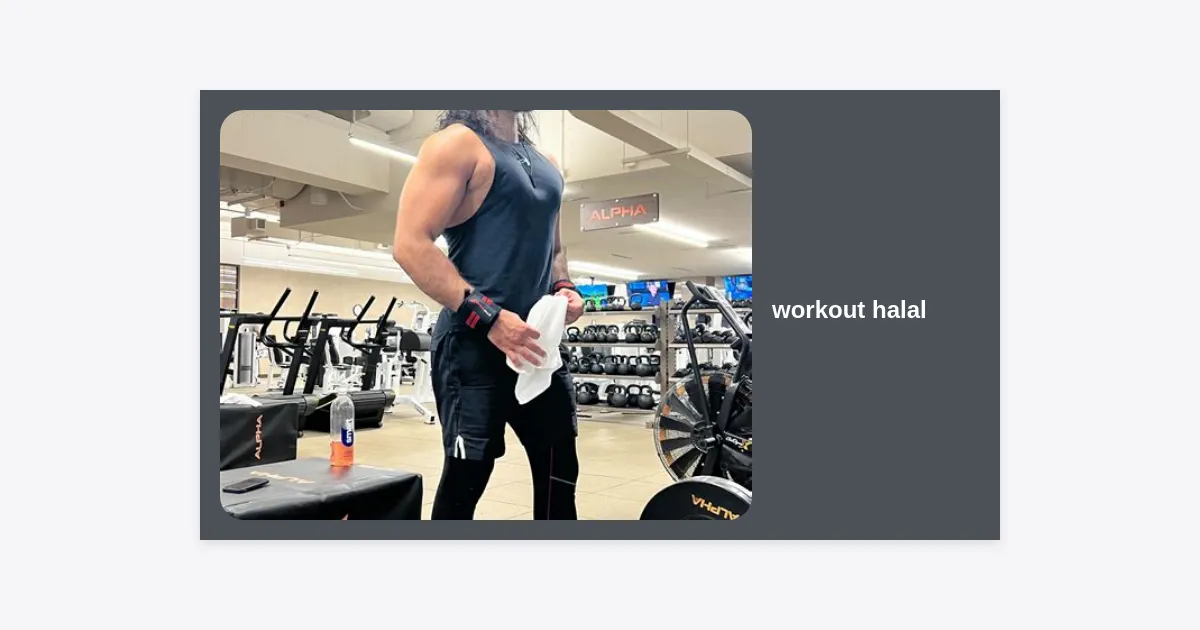
Maintaining modesty is a core pillar of a workout halal routine. For men, the Awrah (area that must be covered) is generally from the navel to the knees. For women, requirements include covering the full body, except the face and hands, in the presence of non-mahram men.
Practical Modesty Tips:
- For Men: Wear long-line shirts that don’t ride up during overhead presses and compression leggings under shorts to ensure the knees remain covered.
- For Women: Look for modest activewear brands that offer loose-fitting tunics and sports hijabs. Many find that women-only gyms or ladies-only hours provide the most comfortable workout halal environment.
- Lowering the Gaze: In mixed-gender facilities, focusing on your own workout and avoiding unnecessary interaction is a vital part of spiritual discipline.
Avoid gyms that play explicit music or have an environment that promotes vanity over health. Some athletes prefer home workouts or garage gyms to maintain total control over their environment and ensure their workout halal standards are always met.
Structuring Training Around Salah and Ramadan
One of the biggest challenges is timing. A successful workout halal schedule respects the five daily prayers. Rather than viewing Salah as an interruption, see it as a mandatory mobility break that refocuses your mind.
The Fajr Workout
Many professional Muslim athletes swear by the Fajr workout. Training after the morning prayer allows you to capitalize on the Barakah (blessing) of the early morning. It ensures your workout is finished before the demands of work or family begin, leaving you energized for the rest of the day.
Training During Ramadan
During the fasting month, the workout halal strategy must shift from growth to maintenance. The best times to train are:
- 1 Hour Before Iftar: High fat-burning potential, but requires low-intensity movements.
- 2 Hours After Iftar: Best for strength training as you are hydrated and fueled.
- After Taraweeh: Great for those who prefer late-night sessions and have a flexible sleep schedule.
The Ultimate Halal Training Routine
Consistency is the key to progress. Below is a sample 4-day split designed to build strength and endurance while remaining manageable for a busy lifestyle.
| Day | Focus | Key Exercises |
|---|---|---|
| Monday | Upper Body (Push) | Overhead Press, Push-ups, Dips |
| Tuesday | Lower Body | Squats, Lunges, Calf Raises |
| Thursday | Upper Body (Pull) | Pull-ups, Rows, Face Pulls |
| Saturday | Full Body/Functional | Kettlebell Swings, Planks, Burpees |
Note: Always consult with a fitness professional before starting a new exercise program.
To help you track your progress, we have designed a comprehensive Workout Halal Tracker & Checklist. This PDF includes daily Niyyah reminders, a Salah-aligned schedule, and a halal supplement checklist.
Mental Strength and Spiritual Intention (Niyyah)
The difference between a regular workout and a workout halal is the Niyyah. Before you touch a single weight, take a moment to ask yourself: “Why am I doing this?” If the answer is to gain the strength to better serve your family, your community, and your Creator, then you have transformed a mundane act into an extraordinary one.
Physical exercise is also a powerful tool for mental health. In an era where anxiety and stress are prevalent, the discipline of the gym provides a meditative space. The rhythmic nature of running or lifting allows for a form of Dhikr (remembrance of Allah), where one can reflect on the intricacies of the human body and the power of its Creator.
Conclusion and Key Takeaways
Embarking on a workout halal journey is one of the most rewarding decisions a person can make. It bridges the gap between our physical needs and our spiritual obligations, ensuring that we show up as the best versions of ourselves in every aspect of life. By focusing on wholesome nutrition, modest practice, and pure intentions, you create a sustainable lifestyle that honors the Amanah of your body.
Key Takeaways:
- Intention Matters: Start every session with a Niyyah focused on health and gratitude.
- Pure Fuel: Prioritize Tayyib foods and double-check supplement labels for hidden haram ingredients.
- Maintain Modesty: Respect the rules of Awrah to keep your training space spiritually clean.
- Align with Prayer: Structure your sessions so they never conflict with your five daily prayers.
- Consistency over Intensity: Small, regular improvements are more pleasing to Allah than erratic bursts of effort.
Are you ready to transform your fitness? Start today by making a small change—perhaps a post-Fajr walk or auditing your protein powder. Remember, your body is a gift; treat it with the respect it deserves through a workout halal approach.