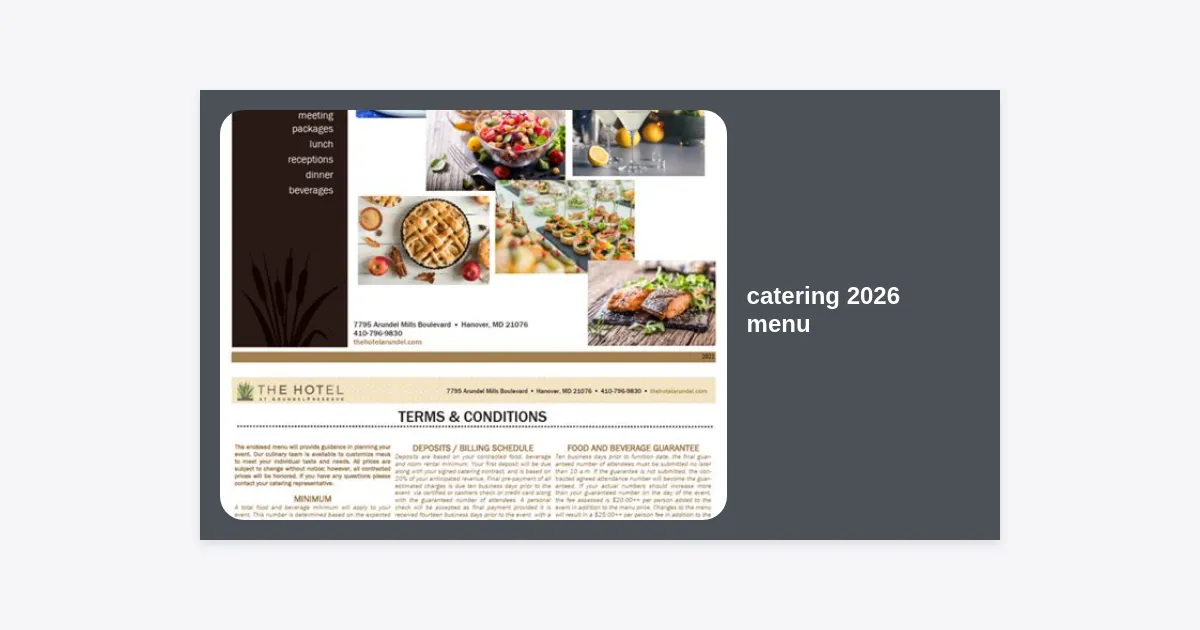
In the rapidly evolving landscape of the hospitality industry, staying ahead of the curve is no longer just an advantage—it is a necessity. As we look toward the future, planning a catering 2026 menu requires a sophisticated blend of culinary innovation, technological integration, and a deep commitment to sustainability. Modern attendees are no longer satisfied with standard chicken-or-fish options; they crave experiences that are personalized, ethically sourced, and visually breathtaking.
Whether you are a professional event planner or someone organizing a milestone celebration, understanding the shifts in palate and preference is key. This comprehensive guide explores every facet of the catering industry’s trajectory, providing you with actionable insights to create a memorable dining experience that resonates with the values of tomorrow.
Table of Contents
- The Evolution of Event Dining Toward 2026
- Sustainability: The Core of Your Catering 2026 Menu
- Global Flavors and Hyper-Regionality
- Interactive Experiences and Technological Integration
- Functional Gastronomy: Health Beyond the Plate
- Sample Catering 2026 Menu Templates
- Step-by-Step Guide to Planning Your Menu
- Conclusion: Key Takeaways
The Evolution of Event Dining Toward 2026
As we approach 2026, the concept of “catering” is undergoing a seismic shift. We are moving away from traditional banquet serving styles and toward “theatrical dining.” For your catering 2026 menu, think of the food as part of the entertainment rather than just a break in the schedule.
Experts suggest that by 2026, over 70% of event attendees will expect some level of customization in their meals. This transition is driven by the younger workforce, particularly Gen Z and Millennials, who prioritize authenticity and social responsibility. The focus is shifting from “filling the stomach” to “feeding the story.” Every ingredient has a narrative, and your menu is the medium through which that narrative is told.
“The future of catering lies in the intersection of tradition and technology. We are seeing a return to ancestral cooking methods, like open-fire roasting, supported by precision AI logistics.” — Chef Marcus Thorn, Culinary Innovator.
Sustainability: The Core of Your Catering 2026 Menu
Sustainability is no longer a buzzword; it is a foundational requirement. When designing a catering 2026 menu, the environmental footprint of every dish must be considered. This goes beyond just “farm-to-table” and enters the realm of regenerative agriculture.
Zero-Waste Kitchens
Caterers are increasingly adopting zero-waste methodologies. This involves utilizing every part of the ingredient—think broccoli stem slaws, carrot top pestos, and dehydrated fruit peels used as cocktail garnishes. By 2026, sophisticated waste tracking software will be standard in catering kitchens, allowing planners to report the exact carbon savings of their event to attendees.
Plant-Forward Innovation
While veganism continues to grow, the 2026 trend is “Plant-Forward” rather than strictly plant-based. This means vegetables take center stage as the “hero” of the plate, with high-quality, ethically sourced animal proteins used as accents or garnishes. Expect to see items like Koji-aged beet steaks or smoked cauliflower ribs that rival any prime cut in depth of flavor.
Global Flavors and Hyper-Regionality
The palate of 2026 is adventurous and informed. A successful catering 2026 menu will look beyond broad categories like “Asian” or “Latin American” and focus on hyper-regionality. Instead of generically spiced chicken, guests might enjoy Oaxacan-style mole or Hokkaido-inspired seafood platters.
- The Rise of West African Cuisine: Expect to see ingredients like jollof rice, fonio, and hibiscus-based sauces becoming mainstream favorites.
- Modern Southeast Asian: Bold, fermented flavors and street-food inspired layouts that emphasize heat and acidity.
- Ancestral Grains: Sorghum, teff, and amaranth will replace standard white rice and pasta, offering gluten-free benefits and a unique nutty profile.
Interactive Experiences and Technological Integration
Integration of technology is perhaps the most exciting part of a catering 2026 menu. We are seeing the rise of Smart Stations and Augmented Reality (AR) menus. Imagine a guest hovering their phone over a platter to see a 3D video of the farm where the cheese was produced.
Personalization at Scale
AI-driven apps will allow guests to input their dietary restrictions and flavor preferences weeks before the event. This data is used to generate a personalized QR code for each guest, which they scan at a digital kiosk to receive a custom-assembled meal that meets their exact nutritional and caloric needs.
The Visual Era: Instagram to TikTok
In 2026, the “camera eats first” culture will be more prominent than ever. Menus are being designed with lighting and color schemes that are optimized for social media. This includes “smoke and mirrors” effects with dry ice, edible gold dust, and gravity-defying plating techniques that encourage guests to share their experience online instantly.
Functional Gastronomy: Health Beyond the Plate
Wellness is a major pillar for the catering 2026 menu. Functional foods—ingredients known to provide health benefits beyond basic nutrition—are taking center stage. Event planners are focusing on meals that boost cognitive function (brain food) and minimize the “afternoon slump.”
Common functional inclusions:
- Adaptogens: Ashwagandha or Reishi mushrooms infused into coffee and desserts to manage stress.
- Probiotic-Rich Foods: Artisan kombuchas and fermented vegetable starters to aid digestion.
- Nootropics: Ingredients like Lion’s Mane mushroom and Turmeric aimed at enhancing focus during long seminars.
Sample Catering 2026 Menu Templates
To help you visualize these trends, we have compiled three distinct sample menus suited for various event styles. Use these as a starting point for your own catering 2026 menu planning.
The Sustainability Showcase (Corporate Galas)
Appetizers: Spent-grain crackers with local goat cheese and upcycled honey.
Main: Regeneratively farmed grass-fed beef medallions with a marrow-infused bone-dark jus and fire-roasted root vegetables.
Dessert: Dark chocolate mousse made from fair-trade cocoa and aquafaba, served with a berry coulis made from “imperfect” fruits.
The Global Fusion (Weddings)
Station 1: Filipino-Mexican Fusion – Sisig Tacos with calamansi lime and pickled onions.
Station 2: Nordic Seafood Bar – Cured salmon with dill-infused skyr and rye crumbles.
Sweet Ending: Match-miso eclairs and Ube-filled macarons.
Step-by-Step Guide to Planning Your Menu
Designing a catering 2026 menu involves more than just picking delicious dishes. Follow these steps to ensure a flawless execution:
- Define Your Demographic: Understand the age group and cultural background of your guests. Gen Z reacts better to bold, ethical choices, while older executives may prefer refined, classic dishes with a modern twist.
- Prioritize Dietary Diversification: Don’t treat dietary restrictions as an afterthought. Aim for a menu that is 50% naturally gluten-free and 30% plant-based to accommodate everyone seamlessly.
- Coordinate with the Venue: Ensure the facility can support your vision. If you want interactive open-fire cooking, you need a venue with proper ventilation and fire permits.
- Focus on Beverage Pairings: The “sober-curious” movement is massive. Your catering 2026 menu must include a sophisticated non-alcoholic pairing menu, featuring botanical mocktails and artisan craft sodas.
- Vet Your Suppliers: Ask for certifications. In 2026, transparency is everything. Guests will appreciate knowing their seafood came from a certified sustainable fishery.
Estimating Costs and Logistics
While inflation and supply chain shifts remain variables, budgeting for a high-end catering 2026 menu typically falls between $120 and $250 per guest, depending on the level of service and premium ingredient selection. Investing in local sourcing can often offset shipping costs while providing a better story for the event.
Conclusion: Key Takeaways
Planning a catering 2026 menu is an opportunity to lead with creativity and conscience. By embracing the trends of sustainability, hyper-regional flavors, and technological personalization, you create more than just a meal—you create a lasting impression.
Remember these core pillars for 2026:
- Transparency: Know your sources and share them with your guests.
- Experience: Use food as entertainment through interactive stations and digital integration.
- Health: Prioritize wellness with functional ingredients and sophisticated alcohol-free options.
The future of catering is bright, flavorful, and deeply connected to the planet. Start collaborating with your culinary team today to bring these 2026 visions to life. If you found this guide helpful, consider sharing it with your event planning team or booking a consultation with a forward-thinking caterer.