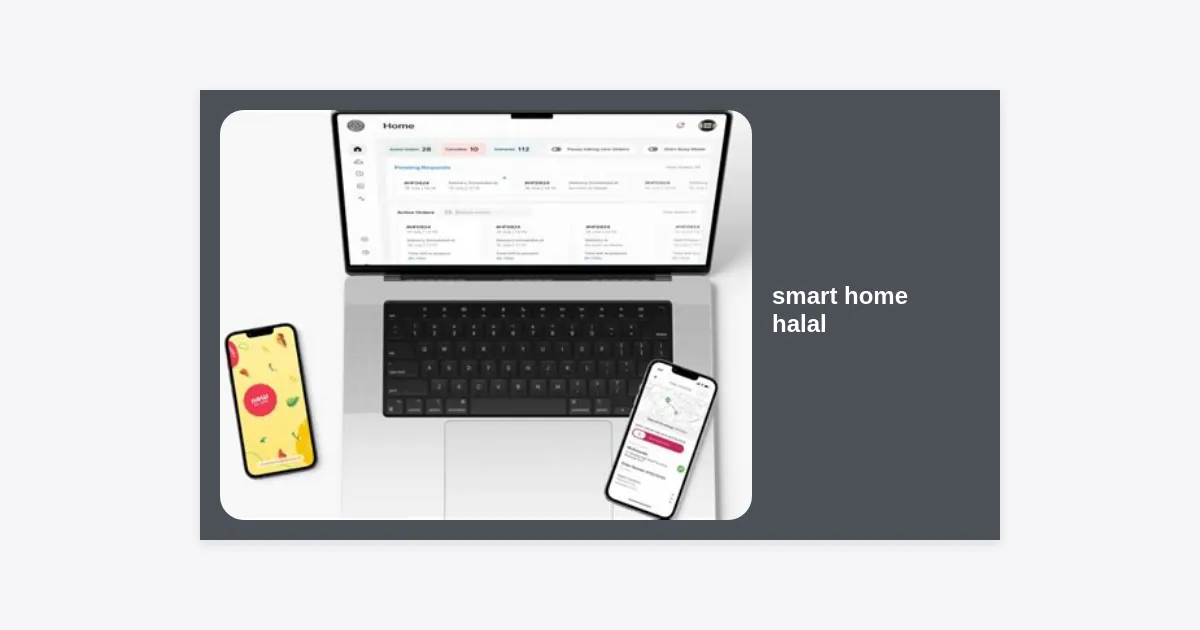
In an era where technology touches every aspect of our lives, the concept of a smart home halal lifestyle has emerged as a revolutionary way for modern Muslims to balance faith and convenience. For many families, the challenge isn’t just about adopting the latest gadgets; it is about ensuring those gadgets align with Islamic values, privacy requirements, and spiritual goals. This comprehensive guide explores how you can transform your living space into a sanctuary that resonates with your deen.
- Why Smart Home Halal Technology Matters Today
- Spiritual Automation: Adhan, Prayer, and Quran
- Privacy and Haya (Modesty) in a Connected Home
- The Smart Kitchen: Halal Food Management
- Sustainability and Sharia Ethics in Tech
- Step-by-Step Guide: Setting Up Your Halal Smart Home
- The Future of AI and Islamic Living
Why Smart Home Halal Technology Matters Today
The global smart home market is projected to reach over $200 billion by 2028. For the Muslim community, this growth presents a unique opportunity to use automation for spiritual enhancement. A smart home halal environment isn’t just about voice-controlled lights; it’s about creating an atmosphere conducive to worship and family values.
Modern living is fast-paced, and it is easy to lose track of time or religious obligations. Smart technology serves as a digital assistant that keeps your schedule aligned with the five daily prayers. It reduces the cognitive load of managing a household, allowing more time for Dhikr and family bonding.
Furthermore, the integration of technology must be ethical. From data privacy to the energy consumption of devices, every choice made in a smart home halal setup contributes to a more mindful and responsible way of living, which is a core tenet of Islam.
Spiritual Automation: Adhan, Prayer, and Quran
The most immediate benefit of a smart home halal setup is the automation of spiritual reminders. Gone are the days of manually checking prayer times or relying on a standalone clock that might desync. Integrated systems can now broadcast the Adhan through high-quality smart speakers across every room.
Using platforms like Home Assistant or specialized plugins for Alexa and Google Home, you can synchronize your home’s ambiance with the time of day. For example, during the last third of the night (Tahajjud), your smart lights can gradually brighten to a soft amber, mimicking a natural sunrise to wake you gently for prayer.
Creative Ways to Use Smart Speakers
- Daily Quran Recitation: Set your smart home to play Surah Al-Baqarah every Friday morning or a specific Juz’ daily to ensure the house is filled with the word of Allah.
- Kids’ Daily Duas: Program your smart speakers to play specific morning and evening Adhkar (supplications) to help children learn them effortlessly.
- Intercom for Jama’ah: Use the broadcast feature to call the entire family to the designated prayer room when it is time for congregational prayer.
“The best of houses is a house in which an orphan is treated well, and the most beloved of deeds to Allah is to bring happiness to a fellow believer.” — Applying this, technology should be used to foster kindness and peace within the home.
Privacy and Haya (Modesty) in a Connected Home
Building a smart home halal environment requires a deep focus on Haya (modesty) and privacy. In an Islamic context, the home is a private sanctuary (Awrah). The presence of cameras and microphones must be managed with extreme care to ensure the privacy of female family members and guests.
Smart curtains and blinds are an essential component of this. You can program your blinds to close automatically at Maghrib (sunset) or whenever the lights are turned on, ensuring that no one from the outside can see into the private living quarters of the home.
For security cameras, look for models with physical privacy shutters. These are mechanical covers that block the lens when the family is at home, providing peace of mind that no unauthorized person—or even the manufacturer—can view the interior of your home. Always prioritize local storage over cloud storage to maintain total control over your data.
The Smart Kitchen: Halal Food Management
The kitchen is the heart of the home, and in a smart home halal setup, it plays a vital role in ensuring dietary compliance. Technology can help track the Halal status of ingredients and manage food waste, which is strictly discouraged in Islam.
Smart refrigerators equipped with internal cameras allow you to check your inventory while at the grocery store, preventing unnecessary over-purchasing. More importantly, barcode scanning apps integrated with your smart home hub can instantly verify the Halal certification of a product across global databases.
Practical Kitchen Automations
- Zabiha Monitoring: Use smart inventory lists to track the expiration dates of bulk-purchased Halal meat, ensuring nothing goes to waste.
- Suhoor and Iftar Timers: During Ramadan, your smart home can automatically start the coffee machine or preheat the oven before Suhoor, and announce the countdown to Iftar.
- Water Conservation: Install smart faucets that limit water flow, adhering to the Sunnah of not wasting water, even if you are by a flowing river.
Sustainability and Sharia Ethics in Tech
An often-overlooked aspect of a smart home halal lifestyle is the ethical footprint of the technology itself. Islam emphasizes stewardship (Khilafah) over the Earth. Therefore, a truly Islamic smart home must be an energy-efficient one.
Smart thermostats like Nest or Ecobee can reduce energy consumption by up to 15% by learning your schedule and adjusting temperatures when the house is empty. Smart plugs can eliminate “vampire power” by cutting electricity to devices that aren’t in use. This not only saves money but also fulfills the religious duty of avoiding wastefulness (Israf).
When selecting devices, consider the ethics of the manufacturers. Support companies that practice fair labor and sustainable sourcing. A smart home halal system is only as good as the integrity of the components used to build it.
Step-by-Step Guide: Setting Up Your Halal Smart Home
If you are ready to start your journey toward a smart home halal environment, follow these practical steps to build a system that grows with your family’s needs.
Step 1: Choose Your Hub
Decide on a central ecosystem. While Amazon Alexa and Google Home are user-friendly, many tech-savvy Muslims prefer Home Assistant because it works offline. This ensures your prayer reminders and privacy settings work even if the internet goes down.
Step 2: Automate the Adhan
Download a script or use a built-in integration to fetch prayer times based on your exact coordinates. Configure your speakers to play the Adhan five times a day. You can even set different voices for different prayers (e.g., a gentle Adhan for Fajr and a more resonant one for Maghrib).
Step 3: Secure Your Perimeter
Install smart locks and video doorbells. This allows you to vet visitors before opening the door, supporting the Islamic practice of seeking permission before entering a home. You can communicate with visitors via the doorbell without having to physically appear at the door, which supports modesty guidelines.
Download Our Halal Smart Home Setup Checklist
The Future of AI and Islamic Living
The future of the smart home halal niche looks incredibly promising with the advancement of Artificial Intelligence. Imagine an AI assistant that doesn’t just play the Quran, but can explain the Tafsir (interpretation) of the verses you just heard, tailored to your level of understanding.
We are moving toward “Context-Aware” homes. In the future, your home might detect when you are performing Wudu (ablution) and automatically adjust the bathroom temperature or provide a dry towel. AI could also analyze your family’s nutritional needs and suggest Halal-certified recipes based on what’s currently in your pantry.
As we embrace these changes, the goal remains the same: to use technology as a tool to serve the Creator and improve the lives of His creation. By thoughtfully implementing smart home halal solutions, we can ensure that our homes remain places of peace, piety, and progress.
Conclusion: Key Takeaways
Transforming your residence into a smart home halal sanctuary is a journey of blending modern innovation with timeless tradition. It is about more than just gadgets; it’s about intentionality.
- Priority: Start with prayer time automation to stay consistent in worship.
- Privacy: Use smart blinds and physical camera shutters to protect the home’s sanctity.
- Efficiency: Use smart sensors to reduce waste and practice environmental stewardship.
- Ethics: Research the brands you bring into your home to ensure they align with Islamic values.
Start small, perhaps with a single smart speaker or a set of smart bulbs, and gradually expand your system. With each new device, ask yourself: “Does this help me live a more faithful and productive life?” If the answer is yes, you are well on your way to mastering the smart home halal lifestyle.