Table of Contents
- 1. Introduction to Drone Cod Fishing
- 2. How Drone Cod Fishing Works
- 3. The Benefits of Using a Drone for Cod
- 4. Best Drones for Cod Fishing in 2024
- 5. Essential Gear and Accessories
- 6. Step-by-Step Guide: Casting Your First Line
- 7. Safety Protocols and Legal Regulations
- 8. Expert Tips for Targeting Record-Breaking Cod
- 9. Post-Fishing Cleanup and Maintenance
- 10. Conclusion and Key Takeaways
Introduction to Drone Cod Fishing
Have you ever stood on a freezing shoreline, staring at the distant whitecaps where the deep water begins, knowing the big fish are just out of reach? This is the classic struggle of the shore angler, but the technology of drone cod fishing has completely changed the game. By utilizing high-tech unmanned aerial vehicles (UAVs), anglers can now deliver their baits hundreds of yards past the surf zone into the deep, cold trenches where Atlantic and Pacific cod thrive.
Whether you are a seasoned offshore pro or a weekend pier fisher, integrating a drone cod strategy allows you to cover more water than ever before. This isn’t just a gimmick; it is a tactical evolution that combines precision engineering with traditional angling expertise. In this comprehensive guide, we will explore everything you need to know about mastering this modern technique, from gear selection to the physics of the perfect drop.
How Drone Cod Fishing Works
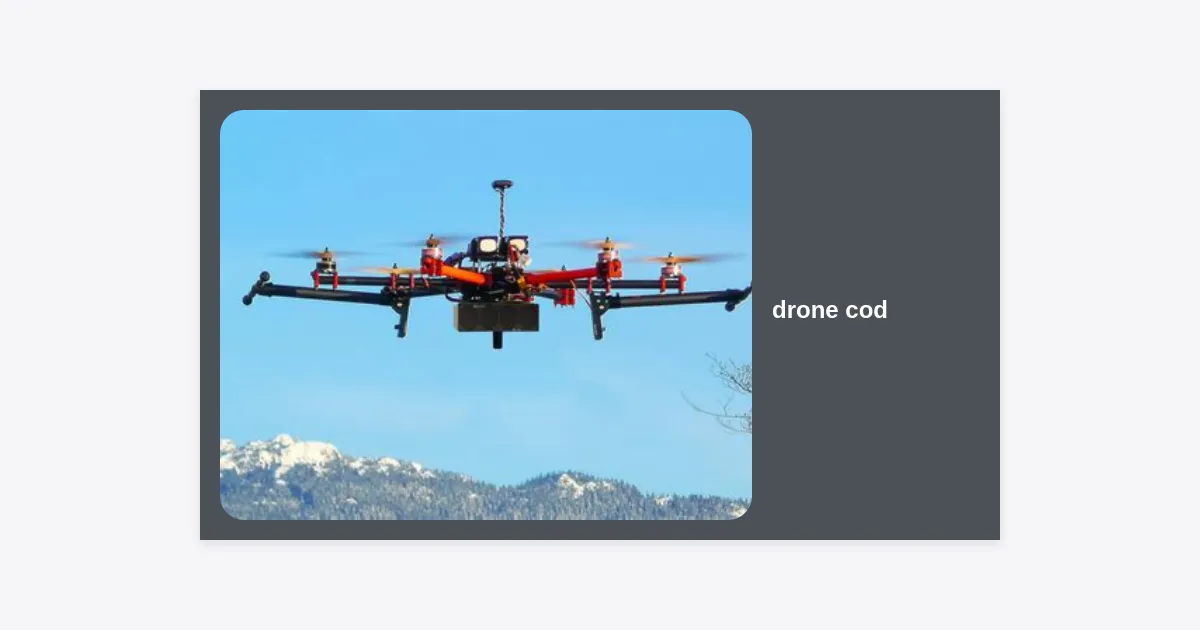
At its core, drone cod fishing involves using a drone to carry your baited line from the shore out to a specific GPS coordinate or a visual hotspot in the ocean. The drone is equipped with a mechanical or electronic release clip. Once the drone reaches the desired location, the pilot triggers the release, dropping the bait into the water, and then flies the drone back to the landing pad while the angler manages the rod and reel.
This method circumvents the limitations of human casting. Even the best surf casters are limited to around 150-200 yards. A fishing drone can easily travel 500 to 1,000 yards, placing your lure exactly where the cod are congregating. Because cod are bottom-feeders that prefer cooler, deeper water, the ability to reach these depths from the beach is revolutionary.
The Benefits of Using a Drone for Cod
- Unmatched Casting Range: Reach distance marks that were previously only accessible via boat.
- Targeted Precision: Use the drone’s 4K camera to spot underwater structures, reefs, or baitfish schools before dropping your line.
- Stay Dry and Safe: No need to wade into dangerous surf or hire expensive charters to reach deep-sea species.
- Multiple Lines: Efficiently manage multiple baits in different far-off locations to increase your strike rate.
“Drone fishing has leveled the playing field for shore-based anglers, allowing us to target deep-water species like cod with surgical precision without ever leaving the sand.”
Best Drones for Cod Fishing in 2024
Selecting the right equipment is critical. Not every drone is built to handle the harsh, salty environment of cod territories. You need a drone with high wind resistance and a reliable payload capacity for heavy cod rigs.
1. SwellPro SplashDrone 4
The SwellPro series is widely considered the gold standard for drone cod adventures. It is 100% waterproof and can actually land on and take off from the water. This is a lifesaver if a battery runs low or a gust of wind pushes the craft down.
2. DJI Mavic 3 Enterprise
While not waterproof, the DJI Mavic 3 offers incredible flight stability and a high-resolution camera. When paired with a third-party “Gannet” release specialized for drone cod setups, it becomes a powerful scouting and delivery tool for experienced pilots.
3. CopterSafe Fishing Drones
These are heavy-lift drones designed specifically for the fishing industry. If you are using heavy lead weights to keep your bait pinned in high-current cod waters, a high-torque motor system like those found in CopterSafe models is essential.
Essential Gear and Accessories
To succeed at drone cod fishing, you need more than just a drone. Your tackle must be upgraded to handle the unique stresses of long-distance deployment and the weight of a mature cod.
| Item | Recommendation | Purpose |
|---|---|---|
| Release Clip | Electronic Tension Release | Ensures the line drops safely without tangling in the props. |
| Fishing Line | 60lb – 80lb Braided Line | Minimal stretch and high strength for long-distance hook sets. |
| Reel | Electric or High-Capacity Casting Reel | Must hold at least 500-800 yards of line. |
| Landing Pad | Weighted Sand Pad | Prevents sand from entering the drone’s motors during takeoff. |
Step-by-Step Guide: Casting Your First Line
Ready to launch? Follow these steps to ensure a successful drone cod drop. Practice in a park first to get used to the weight of the rig before heading to the shoreline.
- Pre-Flight Check: Calibrate your GPS and check the wind speed. Ensure your drone battery and controller are at 100%.
- Rigging the Bait: Use a standard cod rig with a heavy sinker. Attach the leader to your drone’s release mechanism, leaving about 5-10 feet of drop to prevent the bait from swinging into the drone.
- The Takeoff: Open your reel’s bail arm or set the drag to zero. Slowly ascend the drone to about 30 feet.
- The Transit: Fly the drone steadily toward your target spot. Monitor the line tension to ensure the wind isn’t creating a massive bow in the line.
- The Release: Once over the target, hover and activate the release. Watch the bait hit the water and immediately bring the drone back to home.
- The Catch: Close your bail, take up the slack, and wait for that signature cod tug!
Safety Protocols and Legal Regulations
Operating a drone cod rig comes with responsibilities. Saltwater is highly conductive and corrosive; a single mistake can lead to an expensive loss or a safety hazard to others on the beach.
Drone Laws: Always check your local FAA (or equivalent) regulations. Many coastal areas have restrictions on drone height and distance. Furthermore, some fishing authorities have specific rules regarding “motorized assistance” for casting—ensure your drone cod activities are compliant with local fishing licenses.
Battery Safety: Cold weather, common in cod fishing environments, significantly reduces lithium-polymer (LiPo) battery life. Keep batteries in a warm pouch until the moment you fly to prevent mid-air power failure.
Expert Tips for Targeting Record-Breaking Cod
Success in drone cod fishing isn’t just about the flight; it’s about reading the ocean. Cod are often found in “holes” or near rock piles where currents bring in food. Use your drone’s camera to look for darker patches of water, which indicate depth or kelp forests—prime cod real estate.
Pro Tip: Angle your camera at a 90-degree downward angle when looking for structure. This provides the best perspective for identifying the transition from sand to rock, which is where cod love to hide. If you see a school of herring or mackerel on the surface, drop your bait directly underneath them; cod are likely patrolling the bottom for scraps.
Post-Fishing Cleanup and Maintenance
The ocean is the enemy of electronics. After every drone cod session, you must perform a thorough cleaning. Use a damp cloth with fresh water to wipe down the exterior of the drone, especially the sensors and motor housings.
Corrosion Protection: Apply a specialized anti-corrosion spray (like CorrosionX) to any exposed metal parts or ports. Salt spray can travel surprisingly far inland, so even if the drone didn’t touch the water, it is likely covered in salt particles that will eat through the internals over time.
Conclusion and Key Takeaways
Embracing drone cod fishing opens up a world of possibilities for the adventurous angler. By combining the latest in UAV technology with time-honored fishing techniques, you can reach deeper waters, target larger fish, and enjoy a higher success rate from the shore.
Key Takeaways:
- Always use a drone with a high wind-resistance rating for coastal conditions.
- Invest in a dedicated release clip to prevent line tangles in the propellers.
- Monitor your battery levels closely, as cold ocean winds drain power rapidly.
- Respect local wildlife and aviation laws to keep the hobby sustainable.
Now that you have the knowledge, it’s time to take to the skies and the seas. Your next trophy cod is just a flight away!