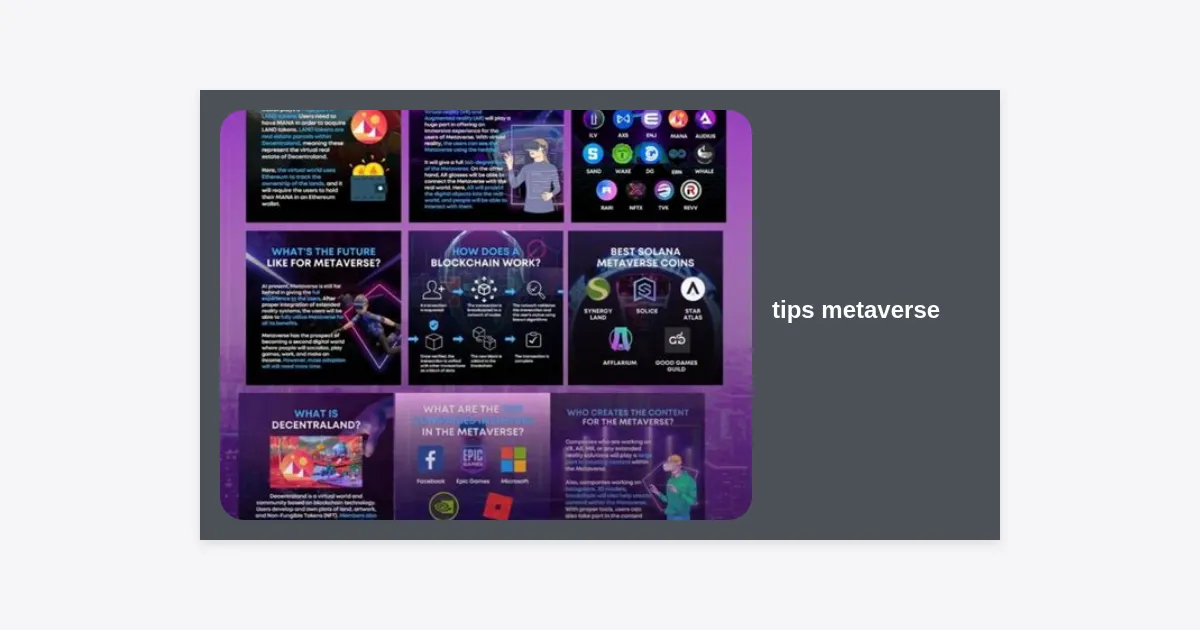
The digital landscape is undergoing a seismic shift, moving from flat, two-dimensional screens into immersive, three-dimensional environments. As we transition into this new era of the internet, understanding the fundamental tips metaverse explorers need is no longer optional—it is essential for anyone looking to stay ahead of the curve. Whether you are a curious gamer, a forward-thinking investor, or a business owner exploring new horizons, the metaverse offers unprecedented opportunities for connection and commerce.
However, entering this decentralized frontier can be overwhelming. From managing digital wallets to selecting the right hardware, the learning curve is steep. This comprehensive guide provides practical, actionable tips metaverse enthusiasts can use to navigate these virtual worlds safely and profitably. By the end of this article, you will have a clear roadmap for mastering the spatial web.
Table of Contents
- Understanding the Current Metaverse Landscape
- Technical Setup: Hardware and Software Tips
- Choosing the Right Platform for Your Goals
- Security and Privacy: Protecting Your Digital Identity
- Investment Strategies: Virtual Real Estate and NFTs
- Professional Networking and Career Growth
- Health and Well-being in Virtual Reality
- The Future of the Metaverse: What to Expect
- Conclusion and Key Takeaways
Understanding the Current Metaverse Landscape
To succeed in the virtual world, you must first understand what it actually is. The metaverse is not a single app or game; it is a collective virtual shared space, created by the convergence of virtually enhanced physical reality and physically persistent virtual space. It is often described as the “embodied internet” where you are inside the experience rather than just looking at it.
According to reports from McKinsey & Company, the metaverse has the potential to generate up to $5 trillion in value by 2030. This massive valuation underscores why learning the best tips metaverse experts suggest is crucial for early adopters. The landscape is currently divided between centralized platforms (like Meta’s Horizon Worlds) and decentralized platforms built on blockchain technology (like Decentraland and The Sandbox).
Understanding the difference between these ecosystems is your first step. Centralized platforms offer more polished user experiences but give you less control over your data and assets. Decentralized worlds offer true ownership through Non-Fungible Tokens (NFTs) but often have higher entry barriers in terms of technical knowledge and cost.
Technical Setup: Hardware and Software Tips
One of the most frequent tips metaverse beginners receive is to invest in the right gear. While many platforms are accessible via a standard PC or even a smartphone, the true potential of the metaverse is unlocked through Virtual Reality (VR) and Augmented Reality (AR) hardware.
Choosing the Right VR Headset
The Meta Quest 3 is currently the industry standard for consumer-grade VR, offering a balance of performance and price. For those looking for high-end professional applications, the Apple Vision Pro introduces “spatial computing,” which blends digital content with the physical world in high resolution. If you are on a budget, older models like the Quest 2 still provide a viable entry point.
Internet Connectivity and Latency
A stable internet connection is non-negotiable. High latency (ping) can lead to “motion sickness” in VR and lag during social interactions. For the best experience, use a Wi-Fi 6 router or a wired connection if your headset supports it. Ensure your PC meets the minimum requirements for heavy platforms like VRChat or The Sandbox, which can be surprisingly resource-intensive.
Choosing the Right Platform for Your Goals
Not all virtual worlds are created equal. Depending on whether you want to socialize, play, or build a business, you should choose your platform carefully. Here are some of the top tips metaverse users should consider when picking a destination:
- For Socializing: VRChat and Rec Room are the kings of social interaction. They have massive, diverse communities and thousands of user-created rooms.
- For Gaming and Creativity: Roblox and Fortnite (specifically Creative Mode) offer powerful tools for building games and experiences with a massive built-in audience.
- For Business and Land Ownership: Decentraland and The Sandbox are the primary hubs for virtual real estate and brand activations.
- For Professional Meetings: Microsoft Mesh and Meta Horizon Workrooms are designed specifically for remote collaboration and virtual offices.
Security and Privacy: Protecting Your Digital Identity
In a world where digital assets can be worth thousands of dollars, security is paramount. Cybersecurity tips metaverse veterans swear by include the use of hardware wallets and extreme caution with personal information. In decentralized worlds, your “seed phrase” is the key to your entire digital fortune; if you lose it or it gets stolen, your assets are gone forever.
“In the metaverse, your identity is your most valuable asset. Protect it with the same vigor you would your physical passport or bank credentials.”
Practical Security Steps:
- Use a Hardware Wallet: Store your NFTs and cryptocurrency in a device like a Ledger or Trezor rather than just a browser extension like MetaMask.
- Enable Two-Factor Authentication (2FA): Always use app-based 2FA (like Google Authenticator) rather than SMS-based 2FA, which is vulnerable to SIM swapping.
- Beware of Phishing: Never click on links sent in Discord DMs or via unsolicited emails. Scammers often impersonate platform staff to steal login info.
- Set Boundaries: Use built-in “personal space” settings to prevent other avatars from getting too close to yours, which can help avoid digital harassment.
Investment Strategies: Virtual Real Estate and NFTs
Many people are drawn to the metaverse for the potential financial returns. While the market is volatile, there are proven strategies for those looking to invest. A key tips metaverse investors follow is “location, location, location.” Just like in the real world, virtual land near high-traffic hubs or famous “neighbors” (like Snoop Dogg in The Sandbox) tends to hold more value.
When looking at NFT investments, look for utility. Does the NFT grant you access to exclusive events? Can it be used as a wearable across different platforms? Assets that provide value beyond just a static image are more likely to survive market downturns. Diversify your portfolio across different platforms to mitigate the risk of any single virtual world failing.
Professional Networking and Career Growth
The metaverse is the new LinkedIn for creatives, developers, and digital marketers. Networking here is more organic than traditional platforms. Attending virtual conferences, town halls, and gallery openings allows you to meet industry leaders in an environment that feels more personal than a Zoom call.
Metaverse Career Paths:
- 3D Environment Architects: Designing the spaces people inhabit.
- Avatar Fashion Designers: Creating digital clothing and accessories.
- Community Managers: Moderating and growing virtual communities.
- Smart Contract Developers: Coding the logic that powers decentralized worlds.
One of the best tips metaverse job seekers can use is to build a “3D portfolio.” Instead of just sending a PDF resume, invite potential employers to a virtual gallery showcasing your work in a spatial environment.
Health and Well-being in Virtual Reality
Spending hours in a headset can take a toll on the body. Physical tips metaverse users should follow include the “20-20-20 rule”: every 20 minutes, look at something 20 feet away for 20 seconds. This helps reduce eye strain caused by the lenses in VR headsets.
Motion sickness is a common hurdle for new users. To overcome this, start with “teleportation” movement settings rather than “smooth locomotion.” Gradually increase your session time as your “VR legs” develop. If you start to feel dizzy, remove the headset immediately; trying to push through the nausea will only make your brain associate VR with being ill.
The Future of the Metaverse: What to Expect
The next five years will see a massive leap in metaverse technology. With the integration of Artificial Intelligence (AI), we will see more realistic Non-Player Characters (NPCs) and easier tools for generating 3D content. 5G and eventually 6G technology will reduce latency to near-zero levels, making cloud-rendered VR seamless for everyone.
Interoperability remains the “holy grail.” Currently, most platforms are silos. In the future, the most important tips metaverse developers are working on involve the ability to take your avatar and items from one world (like Decentraland) directly into another (like Meta Horizon) without losing any data or quality.
Conclusion and Key Takeaways
The metaverse is not just a trend; it is the natural evolution of our digital lives. By implementing these tips metaverse experts recommend, you can ensure that your entry into these virtual realms is safe, productive, and enjoyable. Always prioritize security, start with the right hardware, and choose the platform that best aligns with your interests.
Key Takeaways:
- Focus on security by using hardware wallets and 2FA.
- Pick the right platform based on your goals (social, professional, or investment).
- Invest in quality hardware like the Quest 3 for the best experience.
- Stay physically healthy by taking breaks and managing motion sickness.
- Keep an eye on trends like AI and interoperability to stay ahead.
Are you ready to take your first steps? Join a popular platform like Decentraland today and start exploring the future of the internet. The possibilities are truly limitless.