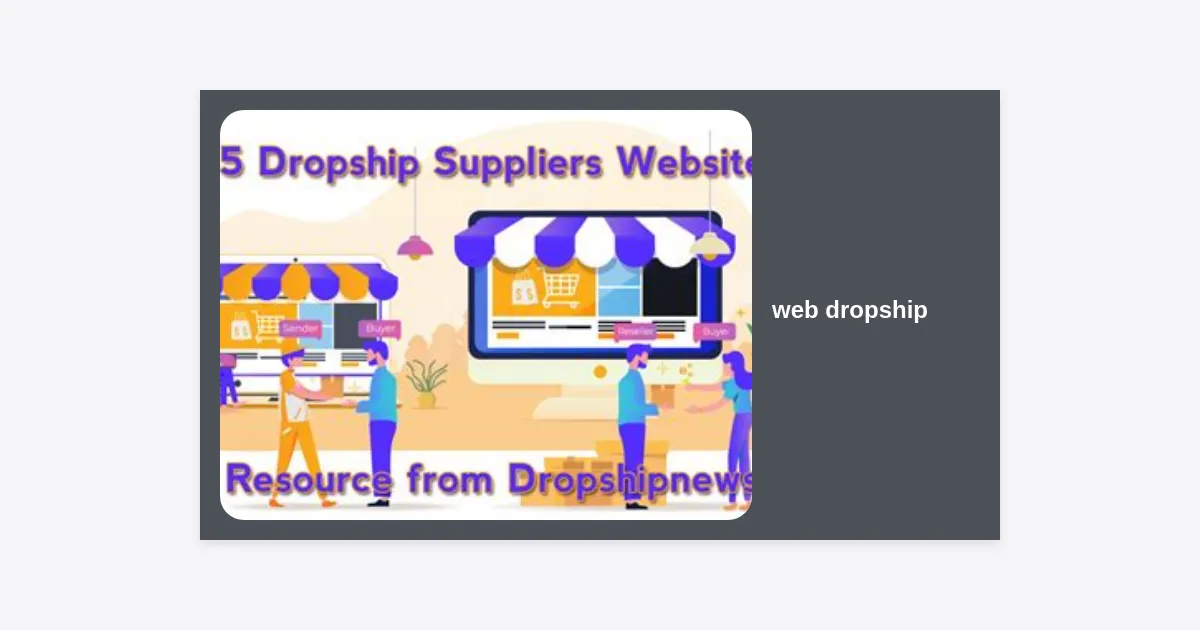
Have you ever dreamed of running a retail empire from the comfort of your living room without ever touching a single product? The web dropship model has evolved from a simple side hustle into a sophisticated, multi-billion dollar industry that empowers entrepreneurs to scale rapidly with minimal overhead. In today’s digital economy, understanding the nuances of modern fulfillment is the difference between a failing storefront and a thriving brand.
What is a Web Dropship Business?
At its core, a web dropship operation is a retail fulfillment method where a store doesn’t keep the products it sells in stock. Instead, when a store sells a product, it purchases the item from a third party—usually a wholesaler or manufacturer—and has it shipped directly to the customer. As a result, the merchant never sees or handles the product.
The primary difference between standard retail and the web dropship approach is the merchant’s lack of inventory ownership. The merchant functions as a marketing and customer service front-end, while the backend logistics are handled by supply chain partners. This allows for an incredibly lean business model that can be managed from anywhere in the world.
How the Web Dropship Lifecycle Operates
The process might seem simple on the surface, but a successful web dropship cycle involves several moving parts working in perfect synchronization. Here is how the typical transaction flows:
- Customer Places Order: A visitor lands on your e-commerce site and purchases an item at your retail price.
- Order Forwarding: Your system (often automatically) sends the order details and the wholesale cost to your supplier.
- Shipment: The supplier picks, packs, and ships the item directly to the customer under your brand name (private labeling).
- Profit Capture: Your profit is the difference between what you charged the customer and what you paid the supplier, minus marketing costs.
“Success in dropshipping isn’t about finding a ‘winning product’; it’s about building a winning brand around a sustainable supply chain.”
Why Choose the Web Dropship Model?
Why are so many entrepreneurs flocking to the web dropship strategy? The barriers to entry are significantly lower than traditional brick-and-mortar or even inventory-heavy e-commerce. According to recent industry data, the global dropshipping market is expected to reach $476.1 billion by 2026, growing at a CAGR of 28.8%.
1. Low Capital Requirement: You don’t need to invest thousands of dollars in inventory upfront. You only buy the product once the customer has already paid you.
2. Easy to Start: You don’t have to manage a warehouse, pack boxes, track inventory for accounting reasons, or handle inbound shipments.
3. Location Independence: As long as you can communicate with suppliers and customers, you can run your web dropship business from a laptop in a coffee shop or a beach in Bali.
4. Wide Product Selection: Because you don’t pre-purchase items, you can offer a vast array of niche products to your customers, testing what works without financial risk.
The Shift to Bulk Sourcing in Dropshipping
In the context of “general bulk 1” niches, modern dropshippers are moving away from single-item sourcing from marketplaces like AliExpress. Instead, they are utilizing web dropship partners who allow for bulk pre-orders or localized warehousing.
By negotiating bulk rates, even if the supplier still ships individual units, you can increase your profit margins by 10-20%. This “hybrid dropshipping” involves committing to a certain volume of sales in exchange for priority shipping and lower per-unit costs. This is where the real money is made as you scale toward seven figures.
Step-by-Step Guide to Starting Your Business
Building a web dropship brand requires a systematic approach. Follow these steps to ensure a solid foundation:
1. Choose Your Niche Carefully
Don’t try to be the next Amazon. Focus on a specific niche with high passionate interest or “pain point” solutions. For example, rather than “home decor,” focus on “ergonomic home office setups for remote software engineers.” Use tools like Google Trends and SEMrush to validate demand for your web dropship ideas.
2. Competitive Research
Identify who your competitors are and how they market their products. Look at their pricing, their ad copy, and their customer reviews. If a niche is too crowded and prices are being driven to the bottom, look for a sub-niche where you can provide more value through content or better customer service.
3. Secure Your Legal Foundation
Treat this as a real business. Register your LLC, obtain an Employer Identification Number (EIN), and set up a dedicated business bank account. This is crucial for working with web dropship suppliers, many of whom require proof of business registration before they will offer wholesale pricing.
Finding and Vetting Reliable Suppliers
Your supplier is your most important business partner. If they fail, your brand fails. When looking for web dropship partners, look for the following criteria:
- Fast Shipping Times: In the age of Amazon Prime, customers won’t wait 30 days. Look for suppliers with warehouses in the US, EU, or UK.
- Quality Control: Always order samples for yourself. Check the packaging, the build quality, and the shipping speed.
- Communication: Does the supplier respond to inquiries within 24 hours? Are they proactive about stock level updates?
- Technology Integration: Ensure they can connect to your store (via CSV, API, or apps) to sync inventory and tracking numbers automatically.
Top Supplier Types
| Supplier Type | Pros | Cons |
|---|---|---|
| Manufacturers | Lowest prices, private labeling | High MOQ, slower communication |
| Wholesale Distributors | Established brands, reliable | Lower margins, strict requirements |
| Dropship Aggregators | Easy integration, large catalog | Higher per-unit costs |
Choosing the Right E-commerce Platform
The technical side of web dropship operations has become incredibly streamlined. You no longer need to be a coder to build a beautiful store. Here are the top three recommendations:
Shopify: The gold standard for dropshipping. It has a massive app ecosystem (like DSers or Zendrop) specifically designed to automate the web dropship process. It handles hosting, security, and payments seamlessly.
WooCommerce: A great option for those who want total control over their site and possess some technical knowledge. It is a plugin for WordPress and is highly customizable, though it requires more maintenance.
BigCommerce: Excellent for scaling businesses that need robust SEO features and multi-channel selling capabilities right out of the box.
Marketing Strategies for Dominating the Market
Having a store is useless if nobody sees it. In the web dropship world, your primary job is marketing. You are essentially a traffic-driving machine.
Paid Advertising (The Fast Route)
Facebook and Instagram ads remain the most popular choices due to their granular targeting. However, TikTok Spark Ads and YouTube Shorts are quickly becoming the most cost-effective ways to showcase web dropship products through viral demonstrations.
Search Engine Optimization (The Long-Term Asset)
By optimizing your product descriptions and blog posts for keywords like your target niche, you can drive free organic traffic. Focus on long-tail keywords that indicate high buyer intent. Web dropship SEO takes time but provides the highest ROI in the long run.
Influencer Marketing
Send samples of your products to micro-influencers in your niche. Their endorsement provides social proof and immediate trust, which is vital for a new web dropship brand that doesn’t have hundreds of reviews yet.
Common Pitfalls to Avoid
Many beginners fail because they treat web dropship as a “get rich quick” scheme. To ensure longevity, avoid these common mistakes:
- Ignoring Customer Service: Respond to emails quickly. If a product is delayed, be honest. A bad reputation on Trustpilot or Facebook can kill your ad account.
- Over-reliance on One Product: Trends fade. Constantly test new products while your “winner” is still performing well.
- Thin Profit Margins: If your margins are too low, you won’t have the budget to scale your ads. Aim for at least a 3x markup on your wholesale cost.
- Not Optimizing for Mobile: Over 70% of e-commerce traffic comes from mobile devices. If your web dropship store looks clunky on a phone, you are losing money.
Bonus: Download Our Growth Checklist
Ready to launch your empire? We have compiled a comprehensive 50-point checklist covering everything from store setup to advanced scaling techniques. This is essential for anyone serious about the web dropship model.
⬇️ Download the Web Dropship Growth Checklist
Final Thoughts and Next Steps
The web dropship business model is more viable than ever in 2024, provided you approach it with a professional mindset. By focusing on high-quality suppliers, building a unique brand identity, and mastering the art of digital marketing, you can build a sustainable asset that provides both financial and time freedom.
Key Takeaways:
- Niches with high emotional engagement or problem-solving capabilities perform best.
- Always prioritize customer experience to build long-term brand equity.
- Transition to bulk sourcing or hybrid models as soon as your volume justifies it to protect your margins.
- Stay consistent. Most web dropship stores fail because the owner gives up after the first few failed ad campaigns.
Your journey into the world of e-commerce starts today. Take the first step by selecting your niche and vetting your first supplier. The scale of your web dropship success is limited only by your willingness to learn and adapt.