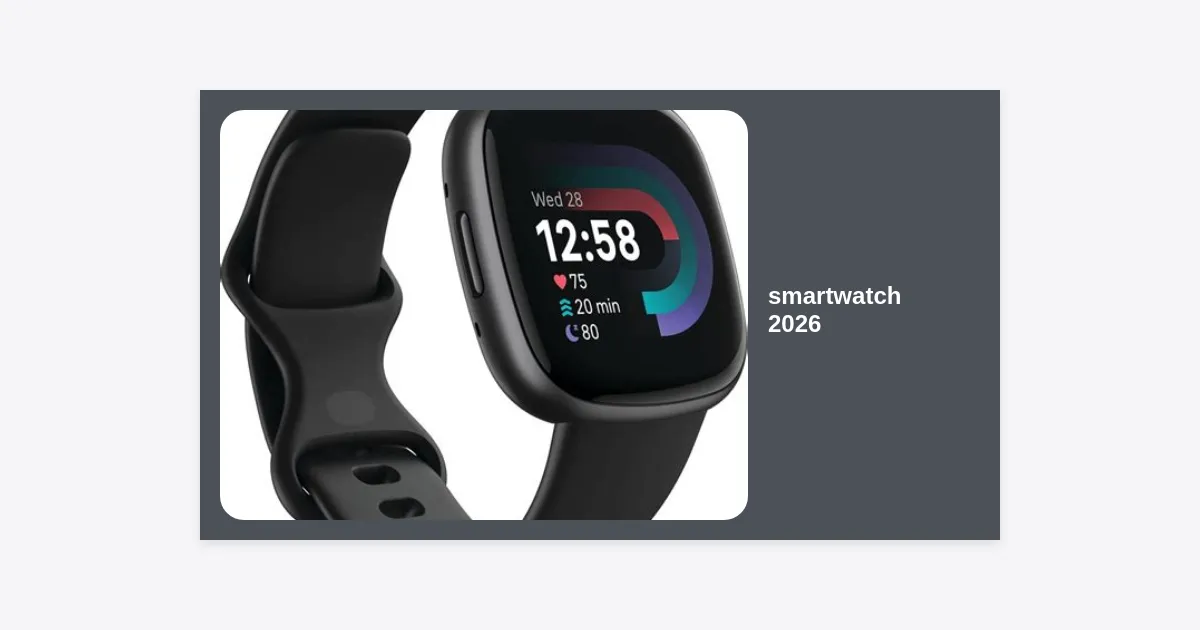
In the rapidly evolving landscape of consumer electronics, the smartwatch 2026 represents a pivotal shift from simple notification hubs to indispensable AI-driven health companions. Just a few years ago, we were impressed by basic step counting and heart rate monitoring; today, we stand on the precipice of a revolution where your wristwear might know you better than you know yourself. Whether you are a fitness enthusiast, a tech-savvy professional, or someone managing a chronic health condition, understanding the capabilities of the smartwatch 2026 generation is essential for staying ahead of the curve.
As we look toward the mid-2020s, the convergence of generative AI, advanced sensor technology, and sustainable manufacturing is redefining what we expect from our personal devices. The smartwatch 2026 is no longer just an accessory; it is a sophisticated data engine designed to optimize every facet of human performance and well-being. This comprehensive guide explores the features, trends, and models that will dominate the market in the coming years.
Table of Contents
- The Evolution of the Smartwatch into 2026
- Key Technological Breakthroughs in 2026
- The Role of Generative AI on Your Wrist
- Medical-Grade Health and Wellness Monitoring
- Design, Aesthetics, and Sustainable Materials
- Top Predicted Smartwatch 2026 Models
- How to Choose Your Smartwatch 2026
- The Future is Wearable: Final Thoughts
The Evolution of the Smartwatch into 2026
The journey to the smartwatch 2026 has been marked by several distinct phases. Originally, wearables were seen as secondary screens for smartphones—convenient but rarely essential. By 2024, the focus shifted toward comprehensive fitness tracking and ecosystem integration. However, as we approach 2026, the paradigm is shifting toward autonomy. The smartwatch 2026 is increasingly becoming a standalone device, capable of performing complex tasks without a tethered phone nearby.
Market analysts predict that the global wearable technology market will reach a staggering valuation by 2026, driven by an aging population seeking better health monitoring and a younger generation obsessed with bio-hacking and productivity. The smartwatch 2026 is at the heart of this growth, offering a level of personalization that was previously unimaginable. We are seeing a move away from generic “one-size-fits-all” metrics toward hyper-personalized insights based on individual genetic markers and long-term behavioral data.
Key Technological Breakthroughs in 2026
What sets the smartwatch 2026 apart from its predecessors? Several core technologies have matured to make these devices more powerful and efficient than ever before. Foremost among these is the leap in battery technology. Solid-state batteries, which began appearing in high-end prototypes, are now becoming standard in premium smartwatch 2026 models. These batteries offer higher energy density and improved safety, allowing for multi-week battery life even with always-on displays.
Advanced Display Technologies
The screens on a smartwatch 2026 have also undergone a massive transformation. MicroLED displays have finally reached mass-market viability, replacing OLED in top-tier models. These displays provide incredible brightness—essential for outdoor readability—while consuming significantly less power. Furthermore, we are seeing the emergence of flexible and wrap-around displays that utilize the entire surface of the watch band to show notifications or health metrics.
6G and Satellite Connectivity
Connectivity is another area where the smartwatch 2026 shines. While 5G is standard, many 2026 models are integrating early-stage 6G components and satellite communication features. This ensures that users can send emergency signals or basic messages even in the most remote locations where cellular signals are non-existent. This makes the smartwatch 2026 the ultimate tool for adventurers and outdoor professionals.
The Role of Generative AI on Your Wrist
Artificial Intelligence is the invisible engine driving the smartwatch 2026 experience. By 2026, AI has moved beyond simple voice commands like “set a timer.” The modern smartwatch 2026 features on-device Large Language Models (LLMs) that can process context locally, ensuring privacy and lightning-fast response times. Imagine your watch not just recording your sleep, but providing a conversational summary of why you feel tired today and suggesting a specific schedule adjustment to optimize your energy levels.
“The integration of Edge AI in the smartwatch 2026 ecosystem marks the transition from reactive technology to proactive life coaching.”
This proactive nature means your smartwatch 2026 can anticipate your needs. If it notices your stress levels rising before a scheduled meeting (detected through skin conductance and heart rate variability), it may suggest a 60-second breathing exercise or automatically mute non-essential notifications. This level of “ambient intelligence” is what defines the smartwatch 2026 era.
Medical-Grade Health and Wellness Monitoring
Health monitoring is the primary driver for most consumers looking for a smartwatch 2026. We have moved far beyond just tracking steps. The 2026 generation of wearables includes sensors that were once confined to clinical settings. Non-invasive glucose monitoring is the “holy grail” that many manufacturers have finally integrated into their premium smartwatch 2026 offerings, providing a life-changing tool for millions of diabetics.
Cuffless Blood Pressure Tracking
Another major milestone in the smartwatch 2026 is the perfection of cuffless blood pressure monitoring. By using optical sensors and advanced algorithms to analyze pulse wave velocity, these watches provide continuous, passive blood pressure readings throughout the day. This data is invaluable for early detection of hypertension and managing cardiovascular health without the need for cumbersome manual cuffs.
Mental Health and Emotional Intelligence
The smartwatch 2026 is also increasingly focused on mental health. By monitoring cortisol levels (via sweat analysis) and analyzing speech patterns through the microphone, these devices can offer insights into your emotional state. While this raises privacy concerns that must be addressed, the potential for early intervention in cases of burnout, anxiety, or depression is immense. Your smartwatch 2026 is effectively a therapist on your wrist.
Design, Aesthetics, and Sustainable Materials
In 2026, consumers are more conscious of their environmental footprint than ever before. Leading manufacturers of the smartwatch 2026 have responded by adopting circular design principles. This includes using 100% recycled aluminum and titanium for watch cases and bio-based plastics or lab-grown leathers for straps. The smartwatch 2026 isn’t just a piece of tech; it’s a statement of values.
Modularity is also a growing trend. Some smartwatch 2026 brands allow users to easily upgrade individual components, such as the sensor module or the battery, rather than replacing the entire device. This “right to repair” approach has resonated with eco-conscious buyers and has extended the lifecycle of the typical wearable from two years to five or more.
Top Predicted Smartwatch 2026 Models
While the market is diverse, a few key players continue to define the smartwatch 2026 landscape. Here are the models expected to lead the pack:
- Apple Watch Series 12 & Ultra 4: Expected to feature the first fully integrated glucose sensor and a more refined MicroLED display. The Ultra 4 will likely push the boundaries of battery life to over 120 hours.
- Samsung Galaxy Watch 9: Likely to double down on the “BioActive” sensor, offering deeper integration with smart home health devices and advanced body composition analysis.
- Google Pixel Watch 5: Anticipated to be the showcase for “Gemini Nano” AI integration, providing the most seamless voice and proactive assistant experience on the market.
- Garmin Fenix 9 Solar: The choice for enthusiasts, the 2026 Fenix will likely feature near-infinite battery life in sunny conditions and enhanced recovery metrics for elite athletes.
Comparison Table: Key Specs Expected in 2026
| Feature | Standard Smartwatch 2026 | Premium/Rugged 2026 |
|---|---|---|
| Battery Life | 4-7 Days | 14-30 Days |
| Sensors | ECG, SpO2, Temp, BP | Glucose, Cortisol, Hydration |
| Display | LTPO OLED / MicroLED | Sapphire MicroLED |
| AI Capability | Cloud-based Assistant | On-device Generative AI |
How to Choose Your Smartwatch 2026
Buying a smartwatch 2026 can be overwhelming given the sheer number of features available. To make the best choice, you must first identify your primary use case. Are you looking for a medical device, a fitness coach, or a productivity tool? Here is some actionable advice for your purchase:
- Check Ecosystem Compatibility: While many smartwatch 2026 models are more autonomous, they still work best within their own ecosystems (iOS vs. Android). Ensure your watch choice aligns with your smartphone.
- Evaluate Sensor Necessity: Don’t pay for a non-invasive glucose monitor if you don’t need it. Choose a smartwatch 2026 model that matches your health priorities to save money.
- Prioritize Battery Over Gimmicks: A watch is useless if it’s always on the charger. Look for smartwatch 2026 reviews that emphasize real-world battery performance with all sensors active.
- Consider the Strap and Build: Since you will wear this 24/7, comfort is king. Look for hypoallergenic materials and a weight that feels natural on your wrist.
For more detailed technical specifications and a deep dive into the software architectures of next-gen wearables, you can access our exclusive industry whitepaper below.
The Future is Wearable: Final Thoughts
The smartwatch 2026 is a testament to how far technology has come in a short decade. It has moved from being a “nice-to-have” gadget to a critical piece of health infrastructure. By integrating advanced sensors, generative AI, and sustainable materials, the manufacturers of the smartwatch 2026 are creating a future where technology empowers us to live healthier, more connected lives.
Key Takeaways:
- The smartwatch 2026 features medical-grade sensors like non-invasive glucose and cuffless blood pressure monitoring.
- On-device AI provides proactive health and productivity coaching.
- Sustainability and modularity are becoming core design principles in the 2026 market.
- Battery life is significantly improved thanks to solid-state technology and MicroLED displays.
As we move closer to 2026, keep an eye on how these devices continue to blur the line between human and machine. Investing in a smartwatch 2026 is not just about buying a watch; it’s about investing in a partner for your long-term health and efficiency. Stay informed, choose wisely, and embrace the future of wearable technology.