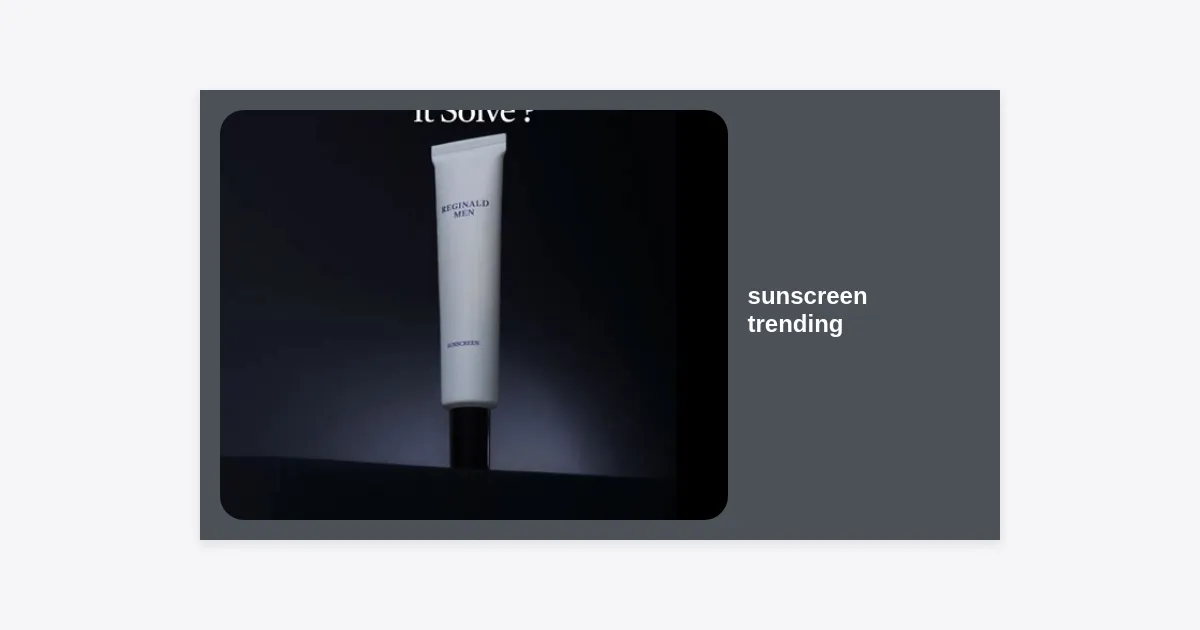
Have you noticed your social media feeds lately? It seems everyone from dermatologists to beauty influencers is obsessed with one specific product: SPF. The sunscreen trending movement isn’t just a seasonal fad; it represents a fundamental shift in how we approach skin health and longevity. Whether you are battling the signs of premature aging or trying to prevent hyperpigmentation, understanding why sunscreen is the most important step in your routine is crucial for achieving that elusive healthy glow.
Table of Contents
- Why Sunscreen is Trending Right Now
- The Rise of Serum-Sunscreen Hybrids
- Inclusivity: The End of the White Cast
- Sticks, Sprays, and Powders: Innovation in Format
- Mineral vs. Chemical: Understanding the Science
- Beyond UV: Blue Light and Infrared Protection
- Sustainability and Reef-Safe SPF
- How to Layer Sunscreen for Maximum Efficacy
- Common Sunscreen Myths vs. Facts
- Conclusion: The Future of Sun Protection
Why Sunscreen is Trending Right Now
For decades, sunscreen was viewed as a thick, greasy mess purely reserved for beach days. Today, the sunscreen trending phenomenon has transformed it into a daily luxury. This shift is driven by a heightened awareness of “photoaging”—the damage caused by UV rays that accounts for up to 90% of visible skin changes, including wrinkles and dark spots.
Modern consumers are better educated than ever. Thanks to the accessibility of dermatological data, people realize that the most expensive anti-aging cream is useless if it isn’t paired with broad-spectrum protection. Furthermore, the “clean girl” and “glass skin” aesthetics popular on platforms like TikTok rely heavily on the dewy, protected finish that current SPF formulations provide.
The Rise of Serum-Sunscreen Hybrids
One of the biggest reasons for sunscreen trending is the blurring of lines between skincare and sun protection. We are seeing a surge in “Skine-care-first” SPFs. These are products formulated with high-performance ingredients like Niacinamide, Hyaluronic Acid, and Vitamin C.
- Niacinamide: Helps to soothe redness and minimize the appearance of pores while the SPF protects.
- Hyaluronic Acid: Provides deep hydration, making the sunscreen feel like a high-end moisturizer.
- Peptides: Offer anti-aging benefits that work in tandem with UV filters.
These hybrids eliminate the need for multiple steps in a morning routine, making skin health more accessible for busy individuals. Tip: Look for products labeled as ‘multi-tasking’ if you want to streamline your routine without sacrificing protection.
Inclusivity: The End of the White Cast
Historically, mineral sunscreens were notorious for leaving a chalky, purple hue on deeper skin tones. This exclusion is a major reason why many people avoided SPF in the past. However, the current sunscreen trending landscape focuses heavily on inclusivity.
Brands are now utilizing micronized zinc oxide and sophisticated tinting technologies to ensure that sun protection is invisible on all skin tones. Tinted sunscreens have become particularly popular, acting as a lightweight skin tint that evens out the complexion while providing robust protection. This move toward inclusivity is not just a marketing trend; it is a vital step in public health, ensuring everyone can protect themselves against skin cancer.
Sticks, Sprays, and Powders: Innovation in Format
Reapplication is the golden rule of sun safety, yet it used to be the most difficult part to follow. Innovation in formats has changed the game. Sunscreen sticks have become a viral sensation due to their portability and ease of use over makeup.
“The best sunscreen is the one you actually want to wear and reapply.” — This mantra has led to the development of misting sprays that don’t disturb foundation and powder SPFs that act as mattifying setting powders.
When using a stick, experts recommend at least four passes over each area to ensure adequate coverage. For powders, they are best used as a top-up rather than a primary layer of protection. These innovations solve the functional barrier of reapplication, making it a seamless part of a daily beauty ritual.
Mineral vs. Chemical: Understanding the Science
To truly understand why sunscreen trending discussions are so frequent, one must understand the two primary types of filters: chemical and mineral (physical).
Chemical Filters
Chemical sunscreens (like Avobenzone or Oxybenzone) work by absorbing UV rays, converting them into heat, and releasing them from the skin. They are loved for their lightweight, invisible textures and are generally better for water-resistant sports formulas.
Mineral Filters
Mineral sunscreens (Zinc Oxide and Titanium Dioxide) sit on top of the skin and reflect UV rays. They are often preferred by those with sensitive skin or rosacea because they are less likely to cause irritation. The recent trend toward “clean beauty” has pushed mineral filters into the spotlight, despite chemical filters being perfectly safe for most users.
Beyond UV: Blue Light and Infrared Protection
As we spend more time in front of screens, the sunscreen trending conversation has expanded to include High-Energy Visible (HEV) light, also known as blue light. Research suggests that long-term exposure to blue light from our phones and computers can contribute to oxidative stress and hyperpigmentation.
Modern sunscreens are now being formulated with antioxidants like Iron Oxides (often found in tinted versions) and Lutein to shield the skin from these indoor environmental stressors. This provides a “360-degree” approach to skin protection that resonates with the modern, tech-savvy consumer.
Sustainability and Reef-Safe SPF
Environmental consciousness is a pillar of current skincare trends. The term “reef-safe” has become a major sunscreen trending keyword. This refers to formulas that exclude chemicals like oxybenzone and octinoxate, which have been linked to coral bleaching.
While the “reef-safe” label isn’t strictly regulated by the FDA, many brands are proactively choosing ingredients that minimize their ecological footprint. Beyond the formula, packaging is also evolving, with more brands offering refillable containers, glass bottles, and post-consumer recycled (PCR) plastics.
How to Layer Sunscreen for Maximum Efficacy
To get the most out of your product, follow these actionable steps derived from dermatological guidelines:
- Cleanse: Start with a clean base.
- Antioxidants: Apply a Vitamin C serum to boost the efficacy of your SPF against free radicals.
- Moisturize: If your skin is dry, apply a light moisturizer. If your SPF is hydrating enough, skip this.
- Apply SPF: Use the “two-finger rule” (two strips of sunscreen on your pointer and middle fingers) for the face and neck.
- Wait: Allow the sunscreen to “set” for 10-15 minutes before applying makeup.
By following this sequence, you ensure that the UV filters can form a uniform film over the skin, which is essential for consistent protection.
Common Sunscreen Myths vs. Facts
| Myth | Fact |
|---|---|
| I don’t need SPF on cloudy days. | Up to 80% of UV rays pass through clouds. Protection is a daily necessity. |
| My makeup has SPF 15, so I’m covered. | You would need 7x the normal amount of foundation to reach the labeled SPF. Use a dedicated sunscreen first. |
| People with dark skin don’t get skin cancer. | While melanin provides some protection, everyone can suffer from UV damage and skin cancer. |
| One application in the morning is enough. | Sunscreen breaks down and rubs off. Reapply every 2 hours if outdoors. |
Conclusion: The Future of Sun Protection
The sunscreen trending movement is far more than a passing interest; it is the evolution of skincare toward a more preventative, health-conscious model. We are moving toward a world where sunscreen is invisible, elegant, and environmentally friendly.
Key Takeaways:
- Consistency is better than intensity. Wear SPF every single day.
- Choose a formula that matches your skin type to ensure you’ll actually use it.
- Don’t forget the neck, ears, and the back of your hands.
- Embrace the new technologies in tints and sticks to make reapplication easy.
By staying informed and choosing high-quality, broad-spectrum products, you aren’t just following a trend—you are making a long-term investment in your health and beauty. Your future skin will thank you.